Disaster Cleanup for Condo Associations: A Board Guide
Last Updated: November 4, 2026
Quick Summary
Disaster cleanup for condo associations starts with the board deciding who controls access, who approves emergency spending, and who speaks to residents and insurers. Written authority, a one-page checklist, and a vendor shortlist built before storm season prevent most delays. Separate common-area damage from unit damage early, since each follows different responsibilities.
- Decide in the first 48 hours who controls building access, emergency spending, and resident communication.
- Put the emergency spending limit for the response lead in a written board resolution with a second signature above it.
- Review the declaration, bylaws, and policies before an event to confirm emergency authority and assessment rules.
- Document damage with timestamped photos and keep a written log before any materials are removed.
- Keep mold assessment separate from remediation, and do not discard damaged materials until the insurer approves removal.
Table of Contents
- Why Condo Disaster Cleanup Is a Board Responsibility
- Building a Condo Disaster Cleanup Checklist
- Setting Up a Condo Association Emergency Response Plan
- Common-Area Versus Unit Damage: Who Pays and Who Acts
- Condo Restoration Documentation Before Any Work Starts
- Commercial Mold Assessment After Water Damage
- Vendor Selection, Safety, and Restoration Sequencing
- Keeping Residents Informed and Access Organized
- Scheduling Your Association's Next Step With Raven
- Frequently Asked Questions
Why Condo Disaster Cleanup Is a Board Responsibility
After a storm or major water event, a condo board often becomes the first point of contact for the entire building. Residents call, insurers ask questions, and vendors want a decision. Disaster cleanup for condo associations is rarely a single job. It involves shared roofs, hallways, elevators, and mechanical systems, plus the private units that belong to individual owners.
Construction and catastrophe-response experience at Raven dates to 2005, and Raven Environmental Restoration Services was established in 2019. Boards comparing storm recovery services across the Panhandle can review storm recovery from Apalachicola to Pensacola before choosing who handles association-level cleanup. We work with property owners across the Florida Panhandle on storm and water recovery. The boards that recover fastest tend to do one thing early: they decide who is responsible for what before anyone starts pulling out drywall.
The Community Associations Institute reports that nearly 1 in 4 Americans live in a community association, so this question affects a large number of households (Community Associations Institute research on community association living). Yet many associations have no written disaster plan at all. An article in Echo Journal notes that community associations are generally not required to create disaster-response plans, though the absence of a mandate does not remove the practical value of planning (Echo Journal article on emergency planning for community associations).
Board members should focus on three questions in the first 48 hours:
- Who controls access to the building, the roof, and affected units?
- Who approves emergency spending and vendor contracts?
- Who speaks to residents, insurers, and local officials?
Answering these early prevents the most common delays. Work stalls when no one has authority to sign a contract. It also stalls when residents hear different answers from different board members.
Watch out: Do not let individual owners hire their own crews for shared areas without board approval. Mixed scopes create disputes over who pays and who is liable.
Building a Condo Disaster Cleanup Checklist
A written checklist turns a chaotic week into a sequence of steps. Your association does not need a long manual. A one-page list, kept in a shared folder and in each board member's phone, is enough to start.
Include these items:
- Current contact list for the property manager, board members, insurer, and key vendors
- Location of main water shutoffs, electrical panels, and gas valves
- Map of common areas, mechanical rooms, and roof access points
- A list of units with known occupancy issues, such as elderly or medically dependent residents
- Insurance policy numbers and the agent's after-hours number
- Photo and video archive of the building as it looked before any event
Review the checklist once a year, and after any board turnover. Phone numbers and vendor relationships change faster than most associations expect.
Keep the checklist focused on action. A line such as "Confirm roof access keys are with two board members" is more useful than a general note about safety.
Setting Up a Condo Association Emergency Response Plan
An emergency response plan defines roles before a crisis. It does not need to be complicated, but it does need to be tied to your governing documents. A plan that names a response lead without checking whether the board can legally delegate that authority is a plan that stalls on the first invoice.
Before writing the plan, pull three documents and read them together: the declaration, the bylaws, and the current board resolution or policy manual. A hurricane storm damage planning guide covers how to scope access and documentation for a recovery plan. Look for four things:
- Emergency spending authority. Does the board, the president, or the property manager have written authority to approve emergency work without a full board vote? What dollar limit applies, and who can raise it?
- Quorum and voting rules. Can the board act by email or phone in an emergency, or must a meeting be noticed? Many associations have outdated rules that assume in-person votes.
- Emergency assessment provisions. If the master policy deductible or an uncovered repair exceeds reserves, how can the board fund it, and what notice must owners receive?
- Manager authority. If you use a management company, what can the manager commit to in writing, and what requires board sign-off?
A practical plan then names people and describes decisions they can make:
- A response lead with authority to approve emergency work up to a set dollar limit stated in a board resolution. Record the resolution date and keep a copy in the plan.
- A backup response lead so the plan survives a vacation, illness, or a board member who is themselves displaced.
- A communications contact who sends resident updates on a fixed schedule and keeps a single approved message.
- A documentation owner who records dates, photos, and costs from the first hour and stores them where the whole board can reach them.
- A vendor shortlist with at least two options for each category, such as water extraction, debris removal, roof tarping, mold assessment, and mold remediation.
- An access plan for residents who need to leave the building or return to their units, including keys, fobs, and after-hours contacts.
Vendor shortlists should be built before storm season. Waiting until a disaster hits means accepting whoever answers the phone. Ask potential vendors for licensing information, insurance certificates, and references from similar buildings, and confirm the certificates name the association as an additional insured where your documents require it.
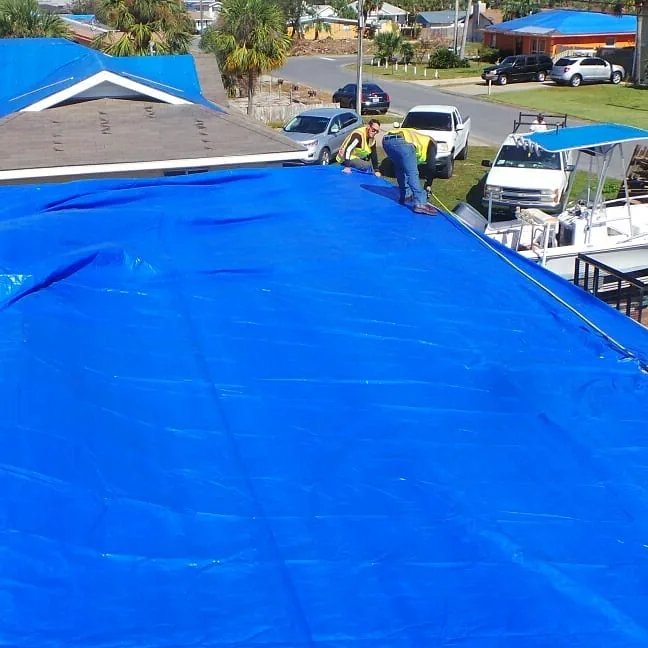
Raven offers roof tarping, storm debris removal, disaster cleanup, and skid steer and dump-trailer hauling through its disaster recovery services. Associations can review those capabilities alongside other providers when building a shortlist. Roof tarping and any other work is subject to a written scope, agreed payment responsibilities, and, where insurance is involved, carrier approval and coverage.
Watch out: A response lead with unlimited spending authority can commit the association to work the board never approved. Put the dollar limit in writing, require a second signature above it, and review the limit annually.
Emergency Board Meetings and Owner Notice
Most declarations require notice before a board meeting, but many allow an emergency meeting on shorter notice when there is an imminent threat to property. Check your bylaws for the exact notice period and whether email notice is permitted. If the board must vote to authorize work above the response lead's limit, hold the meeting early and keep minutes that record the motion, the vote, and the scope approved. Those minutes become evidence for the insurer and protection for individual directors.
Owner notice is separate from board notice. Even when the board can act quickly, owners generally must be told about emergency assessments, special meetings, and material changes to building access. A short written notice template, prepared in advance and stored with the plan, saves hours during a crisis.
Funding the Response: Reserves, Deductibles, and Assessments
Disaster cleanup for condo associations is often a cash-flow problem before it is a construction problem. The master policy deductible may be large, and reserves may be earmarked for scheduled projects. The plan should state, in plain language, how the board will bridge the gap: reserve funds available without a vote, the process for an emergency assessment, and whether a line of credit or a payment plan with the contractor is permitted under the documents. Do not assume insurance will reimburse quickly; carriers vary, and the association remains responsible for deductibles and any uncovered amounts under the policy.
Common-Area Versus Unit Damage: Who Pays and Who Acts
Most condo damage falls into two categories, and the rules differ. Your declaration, bylaws, and insurance policies define the split. Read them before the event, not during it.
Common-area damage typically includes the roof, exterior walls, shared plumbing and electrical risers, hallways, lobbies, and amenity spaces. The association usually manages and pays for repairs, subject to its master policy and deductible.
Unit damage typically covers the interior finishes, fixtures, and personal property inside an owner's unit. Owners usually handle these repairs and claims, though the association may need to coordinate access and sequencing.
The line is not always clean. Water can start in a unit and travel through a shared wall. A broken pipe may sit in a common chase but flood a single apartment. Boards should agree on a process for these mixed cases rather than assigning blame during the emergency.
Shared Systems and Structural Components
Shared systems demand board-level control. These include:
- Roof membranes, flashing, and drainage
- Main water and sewer lines
- Electrical risers and panels that serve multiple units
- HVAC equipment in common mechanical rooms
- Elevator machinery and pits
Structural components such as load-bearing walls, floor slabs, and columns should be inspected by a qualified professional before anyone assumes they are safe.
Interior Finishes Inside Individual Units
Inside units, owners generally manage their own finishes. These include flooring, cabinetry, interior drywall, paint, and built-in fixtures. Some associations require owners to use licensed contractors or to notify the board before opening walls.
Mold is a frequent issue here. Homeowners and boards often want to start demolition immediately. Stop before opening walls. Moisture trapped in cavities can grow mold within days, so testing and documentation should happen before finishes come out.
The split between common-area and unit damage usually follows these lines, so check your own documents before an event.
| Damage area | Typically covered by | Who usually acts |
|---|---|---|
| Roof, exterior walls, shared plumbing and electrical risers | Association master policy | Association |
| Hallways, lobbies, amenity spaces | Association | Association |
| Interior finishes, fixtures, personal property in a unit | Owner | Owner |
| Water that starts in a unit and travels through a shared wall | Mixed | Board agrees a process in advance |
Condo Restoration Documentation Before Any Work Starts
Documentation protects everyone. It supports insurance claims, settles disputes between owners and the association, and gives contractors a clear baseline.
Start documenting in the first hours. Use a phone or camera with timestamps. Capture:
- Wide shots of each affected area, showing context
- Close-ups of visible damage, such as staining, warping, or sagging
- Water lines or moisture readings if available
- Damaged personal property, before it is moved
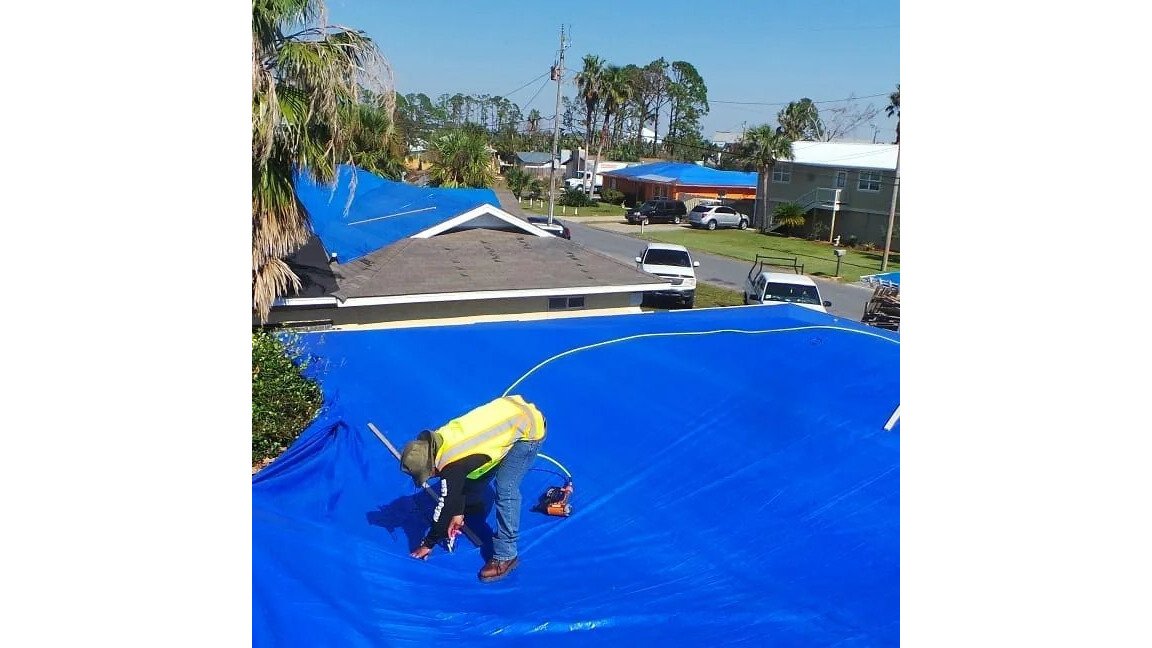
- Temporary repairs, such as tarps or boarded windows, and their installation dates
Keep a written log. Record who entered each unit, what was removed, and what was discarded. Save receipts for emergency purchases such as dehumidifiers, fans, and tarps.
Organize the files by location and date. A shared cloud folder with a clear naming system, such as "Building B - 3rd Floor - Unit 304 - 2026-11-02," saves hours later.
Do not discard damaged materials until the insurer has seen them or has approved their removal in writing. Some carriers request a sample or a site visit before demolition.
Commercial Mold Assessment After Water Damage
Mold can develop in condo common areas and units after water intrusion. The safest approach separates investigation from removal. A qualified assessor examines moisture sources and visible growth and documents findings. A separate remediation contractor carries out any cleanup based on that report.
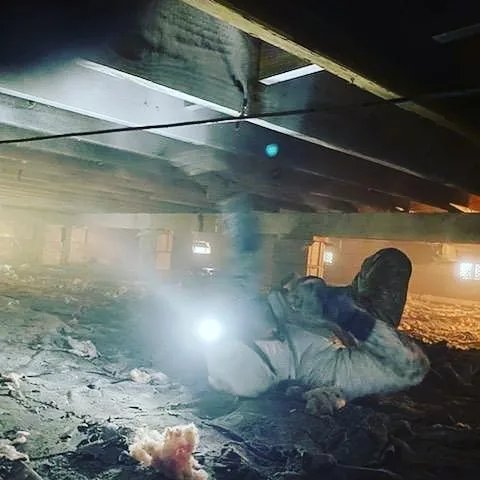
Independent assessment matters. When the same company both assesses and removes mold, boards cannot easily verify whether the scope was necessary or complete.
A thorough mold assessment typically includes:
- A review of the water event and the moisture source
- Visual inspection of affected and adjacent areas
- Moisture mapping where appropriate
- Sampling, if the assessor and board agree it is useful
- A written report with findings, locations, and recommendations
Raven offers a free visual mold inspection. Laboratory sampling, testing, and written assessment reports are quoted separately. Boards can review the scope of each service through the mold assessment services page or request a quote through the contact page.
For removal and remediation planning, see Raven's mold remediation services. Keeping assessment and remediation distinct helps the board confirm that the work matches the findings.
Our Panama City Beach mold services page covers local service information for properties in that area.
Vendor Selection, Safety, and Restoration Sequencing
After a disaster, many vendors will call offering help. Some are reputable. Others are not. A board that selects on the first phone call usually pays more and documents less. Use a written process that produces a file the board can defend to owners and to the insurer.
Comparing Written Proposals
Ask every vendor for a written proposal, not an estimate given over the phone. Then compare proposals on the same five lines:
- Scope. What is included, what is excluded, and where does the vendor's responsibility end? A proposal that says "dry-out" without stating how dryness will be verified is incomplete.
- Quantities and units. Square footage, linear footage, number of units, and number of dump-trailer loads. Proposals that quote a lump sum without quantities are hard to compare and hard to adjust.
- Schedule and milestones. Start date, sequence, and the points at which payment is tied to completed work.
- Exclusions and allowances. Asbestos or lead testing, contents handling, temporary power, and permits are commonly excluded. List them so the board sees the true total.
- Payment terms. Progress payments tied to milestones, a final payment held until closeout, and written change-order procedures. Be cautious with anyone who asks for full payment upfront or who pressures you to sign immediately.
Ask every vendor for current license and insurance certificates, references from comparable buildings, and a written safety plan covering fall protection, hazardous material handling, and worker access to occupied units. Verify the certificates rather than filing them unread.
Separating Assessment From Remediation
For mold and hazardous materials, keep investigation and removal with separate firms where your documents and state requirements call for independence. A qualified assessor examines moisture sources and visible growth and documents findings in a written report. A remediation contractor then carries out cleanup based on that report. When the same company both assesses and removes mold, boards cannot easily verify whether the scope was necessary or complete.
Raven offers a free visual mold inspection. Laboratory sampling, testing, and written assessment reports are quoted separately. Boards can review the scope of each service through the mold assessment services page, review mold remediation services for the removal side, or request a quote through the contact page.
Restoration Sequencing
Work usually follows a logical order:
- Life safety and stabilization. Make the building safe. Shut off utilities where needed, secure openings, and stop active water intrusion. Temporary repairs such as tarps or boarding should be documented with dates and photos.
- Assessment and testing. Evaluate moisture, structural condition, and any suspected mold or hazardous materials. Structural components such as load-bearing walls, floor slabs, and columns should be inspected by a qualified engineer before anyone assumes they are safe.
- Removal of damaged materials. Remove only what the assessment supports, under containment where required. Do not discard damaged materials until the insurer has seen them or approved removal in writing.
- Drying and cleaning. Dry structures to normal moisture levels before any rebuild, and document the readings that show the building reached that point.
- Repair and rebuilding. Restore finishes, systems, and fixtures once the building is verified dry and clean.
Skipping steps creates costly rework. Rebuilding before drying traps moisture. Demolishing before documenting weakens insurance claims. Changing scope mid-project without a written change order creates disputes over who approved what and who pays.
Watch out: Asbestos and lead can be present in older buildings. Disturbing these materials without testing can expose residents and workers. Have the materials tested before demolition in any building that may contain them, and follow the abatement requirements that apply.
Documenting the Vendor File
Keep one folder per event with the proposals received, the signed contract, insurance and license certificates, change orders, daily logs, photos, and invoices. This file supports the insurance claim, answers owner questions, and protects directors who approved the work. A shared cloud folder with a clear naming system, such as "Building B - 3rd Floor - Unit 304 - 2026-11-02," saves hours later.
Keeping Residents Informed and Access Organized
Residents want to know three things: when they can return, what work is happening, and how to get help. Regular, honest updates reduce calls to the board and prevent rumors.
Send updates on a fixed schedule, such as every morning at a set time, even when the news is "no change." Include:
- What work started or finished since the last update
- Which areas are closed and for how long
- Access rules for elevators, stairwells, and parking
- Where residents can report problems or request help
- Who to contact for insurance questions
Create a simple access log for units. Track which owners have given permission for entry, which need notice, and which have special needs. Share contact information for emergency services and the property manager at the entrance.
Be clear about what the board can and cannot decide. Residents often expect the association to resolve individual insurance disputes. A simple statement such as "Insurance claims for your unit are between you and your carrier, and we will share documentation to support them" sets expectations early.
Scheduling Your Association's Next Step With Raven
If your association is preparing a plan, reviewing shared-area damage, or need an independent mold assessment, the next step is a conversation. Raven Environmental Restoration Services works with condo boards, property managers, and owners across the Florida Panhandle, from Apalachicola to Pensacola.
Call 850-512-1109 to talk through your situation. We can explain the assessment process, the difference between an inspection and laboratory testing, and what information the board should gather before a site visit. Email admin@ravenenviro.com or visit the contact page to start.
Frequently Asked Questions
Who is responsible for cleanup after a disaster in a condominium?
Responsibility is usually split. The association generally handles common areas such as roofs, exterior walls, shared plumbing, and hallways, while the individual owner handles finishes and contents inside their unit. The governing documents and the condominium declaration set the exact boundary, so the board should review them before work begins. Where the documents are unclear, counsel familiar with your state's condominium statutes can clarify who acts first and who pays.
What should a condo association do first after fire or storm damage?
Start with life safety and access. Confirm the building is safe to enter, contact emergency services if needed, and notify your insurance carrier promptly. Then document the damage with dated photos and video, restrict access to affected areas, and engage a qualified restoration contractor. Avoid disturbing materials that may contain asbestos or lead in older buildings until they have been tested.
When should a condo association arrange mold assessment after water damage?
Arrange an assessment as soon as water damage is found, especially if materials stayed wet for more than a day or two, because mold can begin growing within a short window. An independent assessment helps the board understand the scope before any removal bid is accepted. Raven offers free visual mold inspections; laboratory sampling and written assessment reports are quoted separately.
How should a condo board document disaster damage before restoration?
Photograph and video every affected area before anything is moved or removed, including common areas and individual units where owners grant access. Keep a dated log of who observed what, record moisture readings if available, and save all correspondence with vendors and the insurer. Organized documentation supports insurance claims and helps the board show that cleanup decisions were reasonable.
