Project planning
Coordinate a recovery plan after a storm
Practical hurricane storm damage planning for Florida Panhandle property owners: scope, access, documentation and questions for Raven.
Published October 9, 2026 · Raven Environmental Restoration Services
Start with the property and the decision ahead
Describe the property location, access conditions and damage you can report from an accessible area. Tell Raven whether the concern is roof intrusion, wet interior finishes or outdoor storm debris. Share work already completed and who can authorize temporary protection and later repairs.
What to clarify before work is scheduled
Roof tarping, water extraction, drying, environmental evaluation, debris removal and reconstruction are different parts of recovery. Discuss the sequence and written scope for each. Raven coordinates storm inquiries from Apalachicola through Panama City and the coastal communities west to Pensacola, plus Florida state-line communities; crew availability and access are confirmed directly.
Costs, approvals and project records
Raven’s no-upfront-payment, direct-insurer-billing tarping arrangement requires carrier approval of the tarping scope and billing arrangement. It does not make all cleanup or repairs free. Keep policy approvals, photos, proposals and invoices together, and separate optional remodeling from the damage-related recovery work.
Request this service in your community
Raven coordinates hurricane storm damage inquiries for homes, rentals, businesses and facilities. For coastal projects, see Apalachicola, Panama City, Panama City Beach, Santa Rosa Beach and 30A Destin, Pensacola and the Florida state-line service areas. Include your actual property location, requested service and authorized contact when arranging availability. Review credentials applicable to the scope.
Create a sequence from protection to rebuilding
For a storm inquiry, distinguish urgent temporary protection, interior recovery and later construction in the written project plan. Provide the date damage was discovered and the work already performed. Ask who can approve a change if further damage is observed. For managed property, identify the access contact and owner authority before equipment is scheduled. Keep carrier approvals alongside the work agreement, including any limits or uncovered charges. The next repair contractor should receive relevant drying and environmental records before closing the affected assembly.
- List completed temporary work.
- Confirm each recovery stage and approval.
- Retain records before finishes conceal conditions.
Discuss your property with Raven
Call Raven: (850) 512-1109 or send a project inquiry. Include your city and requested service. Review service areas and scheduling information.
From Raven’s project portfolio
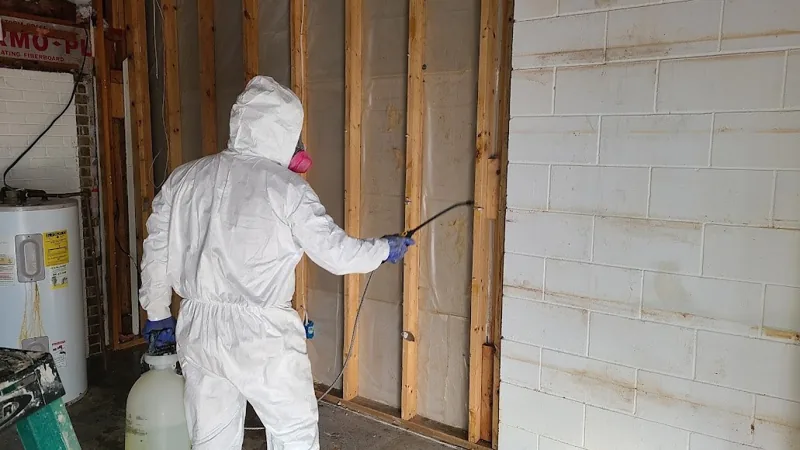
Tell us your location and property concern so we can discuss relevant experience, the proposed scope and scheduling.
Before you approve the project
- Share your property location, affected areas and existing reports. Identify who can authorize access and approve work.
- Request a written scope that separates inspection or testing, cleanup, disposal and repairs. Confirm what is excluded and who coordinates other trades.
- Ask which credentials and completion records apply to your proposed work. Review access restrictions, occupancy and material decisions before scheduling.
- Confirm the price, change-order process and payment responsibilities in writing. Insurance coverage and carrier approval are separate from accepting a contractor proposal.