Project planning
Plan the stages after a property water loss
Practical water mitigation planning for Florida Panhandle property owners: scope, access, documentation and questions for Raven.
Published October 9, 2026 · Raven Environmental Restoration Services
Start with the property and the decision ahead
When water reaches rooms, describe the source if known, when it was found and whether the source has stopped. A plumbing leak, roof intrusion and outdoor flooding can involve different material and cleanup conditions. Provide the affected-room list and records from anyone who has already completed emergency work.
What to clarify before work is scheduled
Discuss water removal, evaluation of affected assemblies, the drying plan and monitoring separately from reconstruction. Ask how moisture observations will be recorded and which criteria guide the end of drying. Cabinetry, flooring and wall systems may need different approaches; a fixed drying time cannot be promised before conditions are evaluated.
Costs, approvals and project records
Save discovery dates, source-repair records, photos, drying documentation and invoices. Have the authorized owner or manager coordinate access and approvals. Discuss separate environmental testing or mold services where needed before new finishes are installed, and confirm insurer requirements without treating a website inquiry as coverage approval.
Request this service in your community
Raven coordinates water mitigation inquiries for homes, rentals, businesses and facilities. For coastal projects, see Apalachicola, Panama City, Panama City Beach, Santa Rosa Beach and 30A Destin, Pensacola and the Florida state-line service areas. Include your actual property location, requested service and authorized contact when arranging availability. Review credentials applicable to the scope.
Ask what the drying record will show
A property owner should know which assemblies are included in the drying plan and who will record observations during the work. Ask how the team will evaluate progress and discuss an assembly that remains wet or inaccessible. Share records from any earlier contractor so the next proposal addresses the remaining conditions. If additional removal is proposed, confirm the reason and obtain a written change before that scope expands. Drying documentation should stay with source-repair records and later reconstruction documents so the project sequence can be understood after finishes are replaced.
- Identify each affected assembly.
- Confirm monitoring and change approvals.
- Keep drying separate from finish-repair authorization.
Discuss your property with Raven
Call Raven: (850) 512-1109 or send a project inquiry. Include your city and requested service. Review service areas and scheduling information.
From Raven’s project portfolio
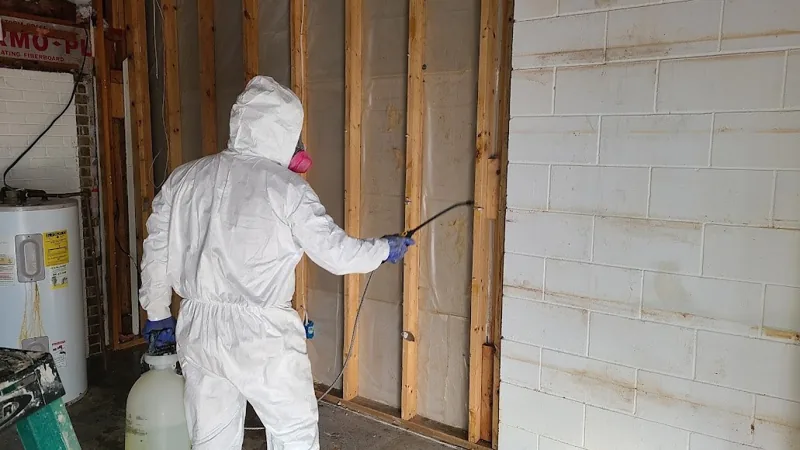
Tell us your location and property concern so we can discuss relevant experience, the proposed scope and scheduling.
Before you approve the project
- Share your property location, affected areas and existing reports. Identify who can authorize access and approve work.
- Request a written scope that separates inspection or testing, cleanup, disposal and repairs. Confirm what is excluded and who coordinates other trades.
- Ask which credentials and completion records apply to your proposed work. Review access restrictions, occupancy and material decisions before scheduling.
- Confirm the price, change-order process and payment responsibilities in writing. Insurance coverage and carrier approval are separate from accepting a contractor proposal.