Project planning
Request temporary roof protection and recovery support
Practical disaster recovery planning for Florida Panhandle property owners: scope, access, documentation and questions for Raven.
Published October 9, 2026 · Raven Environmental Restoration Services
Start with the property and the decision ahead
When asking about a tarp, provide your city, property type and a description of known roof damage or water intrusion. Share whether anyone has already installed temporary protection and who can authorize roof access. An inquiry begins coordination; it does not guarantee an arrival time or confirm that the roof can be accessed.
What to clarify before work is scheduled
Discuss the temporary protection scope, any follow-up, and the interior water concerns as separate tasks. Tarping does not replace permanent roofing repairs, drying or environmental evaluation. If rooms became wet, provide the affected-material list so the next service discussion can address those conditions.
Costs, approvals and project records
For Raven’s carrier-approved tarping arrangement, confirm approval of the work and direct-billing arrangement before assuming no upfront payment applies. Coverage, deductibles and other responsibilities follow the policy and written agreement. Keep approvals and work records together so temporary protection and later restoration can be documented.
Request this service in your community
Raven coordinates disaster recovery inquiries for homes, rentals, businesses and facilities. For coastal projects, see Apalachicola, Panama City, Panama City Beach, Santa Rosa Beach and 30A Destin, Pensacola and the Florida state-line service areas. Include your actual property location, requested service and authorized contact when arranging availability. Review credentials applicable to the scope.
Confirm what a temporary tarp agreement includes
Describe the known roof concern from an accessible location and explain whether temporary protection already exists. Ask how the proposed tarp work, safe access and any follow-up are defined. Before relying on direct insurer billing, confirm carrier approval and written responsibility for uncovered amounts. Discuss interior moisture separately so a temporary roof measure does not become the only record of an ongoing water concern. Keep the protection date and scope with photographs and later repair records. Scheduling depends on the actual access conditions and crew availability confirmed directly.
- Identify who authorizes roof access.
- Confirm carrier-approved billing arrangements.
- Document follow-up and permanent-repair responsibilities.
Discuss your property with Raven
Call Raven: (850) 512-1109 or send a project inquiry. Include your city and requested service. Review service areas and scheduling information.
From Raven’s project portfolio
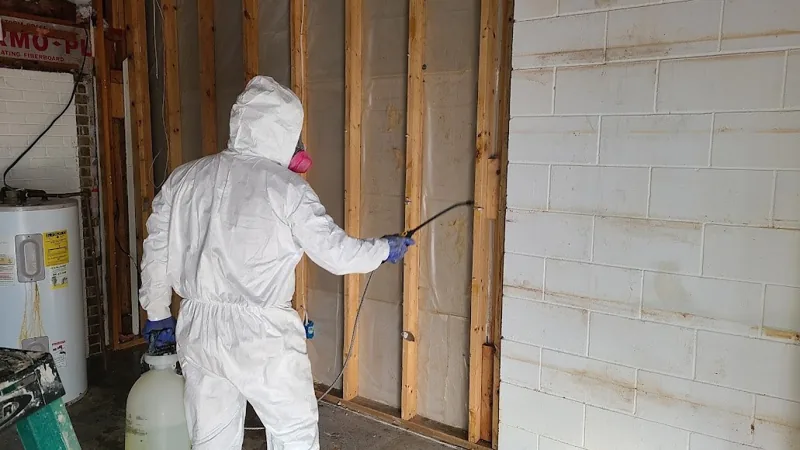
Tell us your location and property concern so we can discuss relevant experience, the proposed scope and scheduling.
Before you approve the project
- Share your property location, affected areas and existing reports. Identify who can authorize access and approve work.
- Request a written scope that separates inspection or testing, cleanup, disposal and repairs. Confirm what is excluded and who coordinates other trades.
- Ask which credentials and completion records apply to your proposed work. Review access restrictions, occupancy and material decisions before scheduling.
- Confirm the price, change-order process and payment responsibilities in writing. Insurance coverage and carrier approval are separate from accepting a contractor proposal.