6 Steps to Verify Mold Remediation Success Before Rebuilding
Before replacing drywall, cabinets or flooring after mold cleanup, agree on what completion means for the actual property. Mold testing, assessment and remediation answer different questions. A written plan helps owners understand which materials were addressed, who corrected the moisture source and what evaluation or documentation is still needed.
Raven serves Florida Panhandle communities from Apalachicola to Pensacola. This guide is for homeowners, rental managers, condominium associations and commercial owners preparing to discuss mold removal and the next repair stage.
1. Identify the moisture source and its repair responsibility
Record the leak or moisture history, the affected rooms and any repair already made. Ask who is responsible for correcting roof intrusion, plumbing faults or condensation concerns. Mold cleanup and source repairs may be separate scopes handled by different contractors. Keep their documentation together rather than assuming removal alone prevents another moisture problem.
EPA’s guidance on evaluating remediation emphasizes correcting moisture and evaluating the cleaned area. A photograph of new drywall is not evidence of the concealed conditions before it was installed.
2. Compare the completed work with the agreed scope
Use the assessment, remediation protocol where applicable, approved proposal and change records to identify what was authorized. Compare rooms and materials rather than relying on a general statement that the entire building was treated. Ask the contractor to explain anything excluded or left for another trade.
- Which materials were removed, and which were cleaned?
- How were unaffected areas and contents protected?
- What debris handling and cleanup were included?
- Which repairs or inaccessible areas remain outside the scope?
Review Raven’s mold removal and remediation service when discussing a written cleanup proposal.
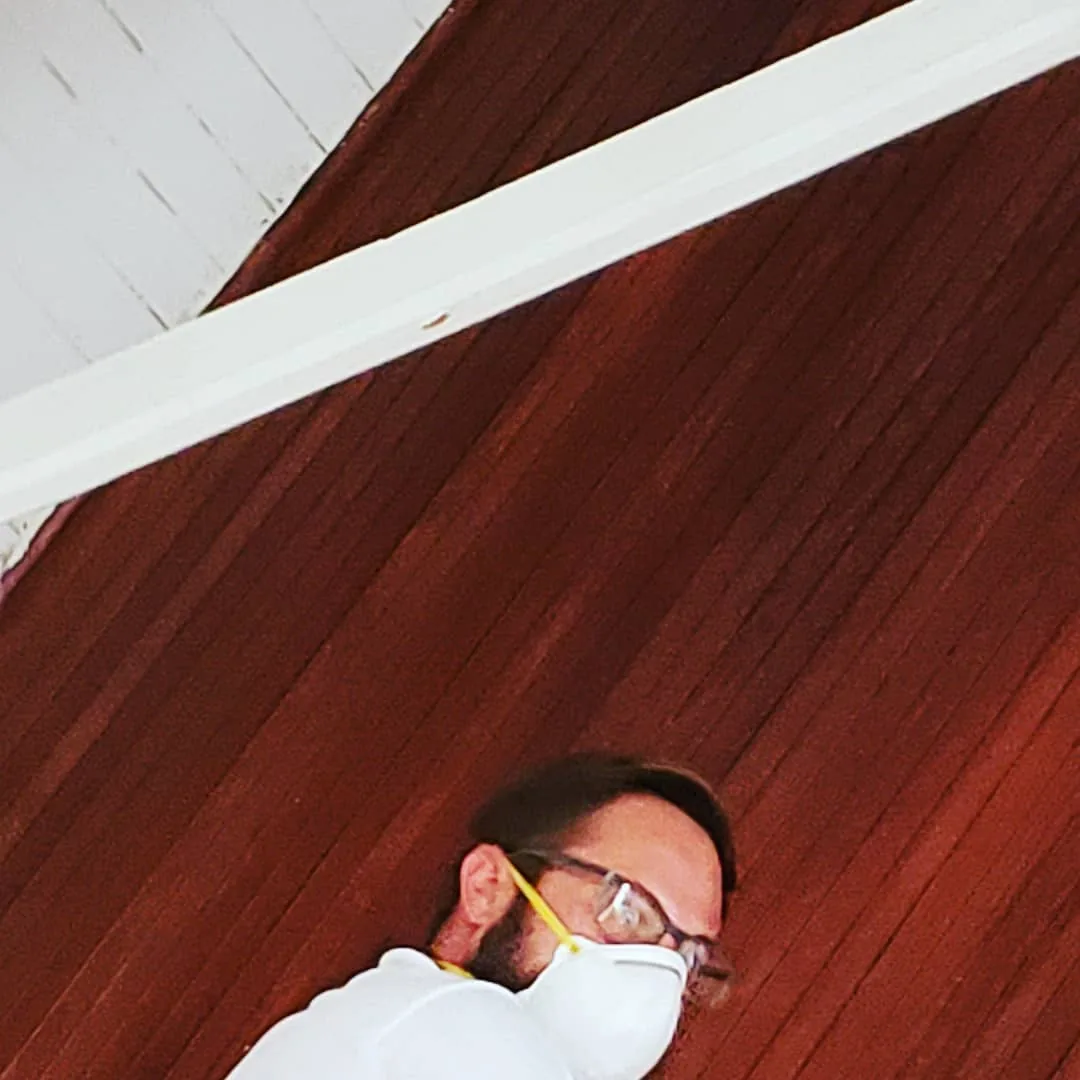
Raven historical portfolio: inspection work. This photograph does not establish a specific project location or completion result.
3. Distinguish visual review, assessment and testing
A visual review concerns accessible conditions. A defined mold assessment may investigate the concern and document recommendations. Mold testing uses selected samples to answer specified questions. They are not interchangeable services, and one result does not describe every concealed material in a building.
Ask why samples are proposed, what locations they cover, who interprets them and what reporting is included. EPA explains that a negative sampling result does not replace visual evaluation; air results describe conditions at the time of collection. Do not treat one number as a universal guarantee that a property is mold-free.
4. Confirm the appropriate professional roles
Before arranging completion evaluation, disclose earlier assessment and remediation providers, dates and reports. Florida places restrictions on assessment and remediation by the same person or company on the same structure, subject to applicable requirements and exemptions. Confirm the appropriate independent roles for the project using Florida DBPR’s mold-related services guidance.
Raven’s credential documents reference MRSA3240 and MRSR3415. Review the documents and confirm the holder, current status and scope before authorizing work. A remediation contractor’s work summary is not automatically an independent assessment report.
5. Organize the completion records before rebuilding
Request documentation appropriate to the agreed scope: work-area photographs, material-removal or cleaning records, relevant moisture observations, approved changes and any independent evaluation or laboratory report commissioned. Clarify unresolved items and responsibility for each. Do not assume every project includes sampling or the same reporting package.
For condos and rentals, identify who authorizes access and coordinates association requirements, tenants or guest bookings. A planned guest arrival does not establish that cleanup, evaluation and repairs can finish by that date. Confirm the sequence before scheduling replacement finishes.
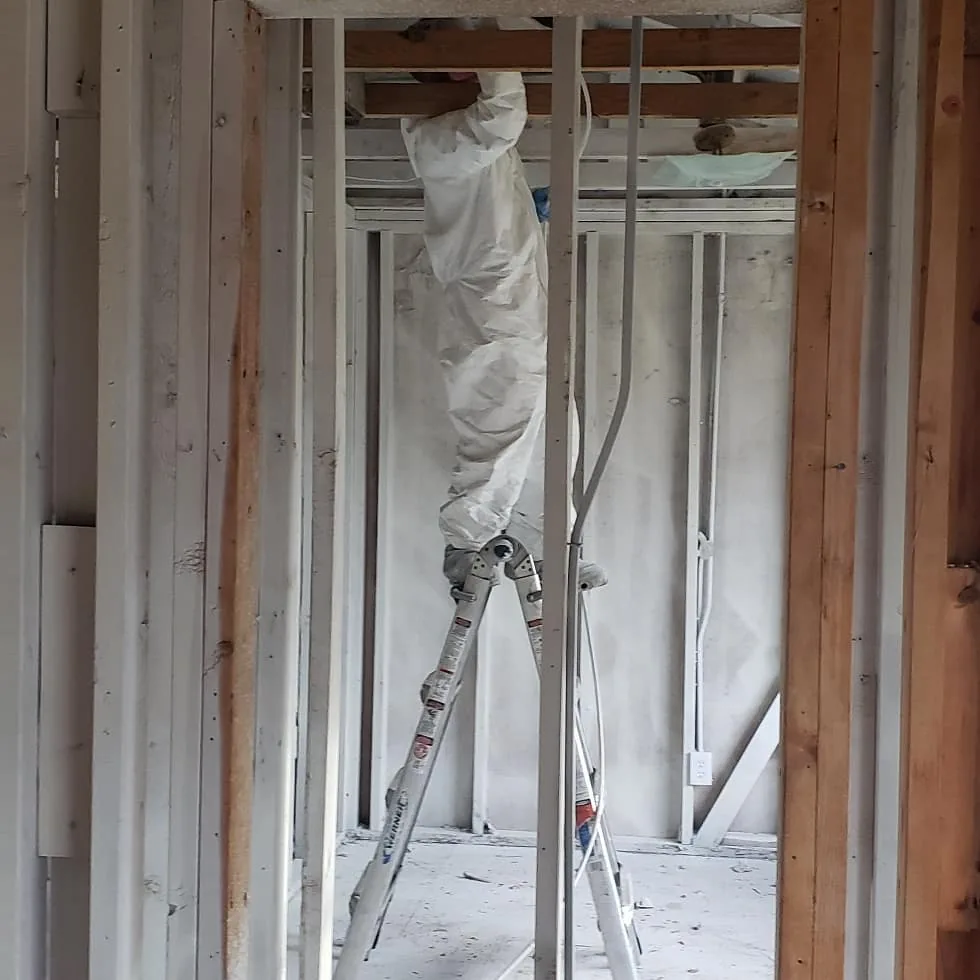
Raven historical portfolio: interior work area. Project scope and completion requirements must be documented separately.
6. Arrange the next step for your Panhandle property
Raven accepts inquiries 24 hours daily at 850-512-1109. Coverage includes Apalachicola, Port St. Joe, Mexico Beach, Panama City, Panama City Beach, Santa Rosa Beach, Destin, Fort Walton Beach, Navarre, Milton, Gulf Breeze and Pensacola. These are service communities, not additional staffed offices. Site visits depend on scope, safe access and availability.
Free visual mold inspections cover agreed accessible conditions; sampling, laboratory testing and written assessment reports are quoted separately. Provide existing reports, the affected-room list and an authorized access contact when you request service. Insurance coverage and payment depend on the carrier and written terms; assistance with documentation does not guarantee a claim outcome.
Frequently Asked Questions
How do you verify that the moisture problem was corrected?
Ask who corrected the moisture source, what repair records are available and what observations or measurements support the agreed completion criteria. Do not rely on a new finish or a single photograph to describe concealed conditions. The evaluation should reflect the actual property and authorized scope.
What should a mold remediation completion report include?
Request documentation appropriate to the agreed scope, such as affected areas, material removal or cleaning, protection measures, relevant moisture observations, approved changes and photographs. Clarify whether an independent evaluation or laboratory report was commissioned; it is not automatically included in every cleanup proposal.
Is post-remediation verification always required before rebuilding?
Requirements depend on the property, agreed protocol, applicable rules and any owner, association or insurer conditions. Confirm the necessary professional roles and completion criteria before rebuilding. An independent evaluation should not be assumed included in the remediation contract, and one test result is not a universal guarantee.
