Mold Inspection vs. Mold Testing: What Panhandle Property Owners Need to Know
Choose the scope that answers your property question before paying for samples or planning removal.
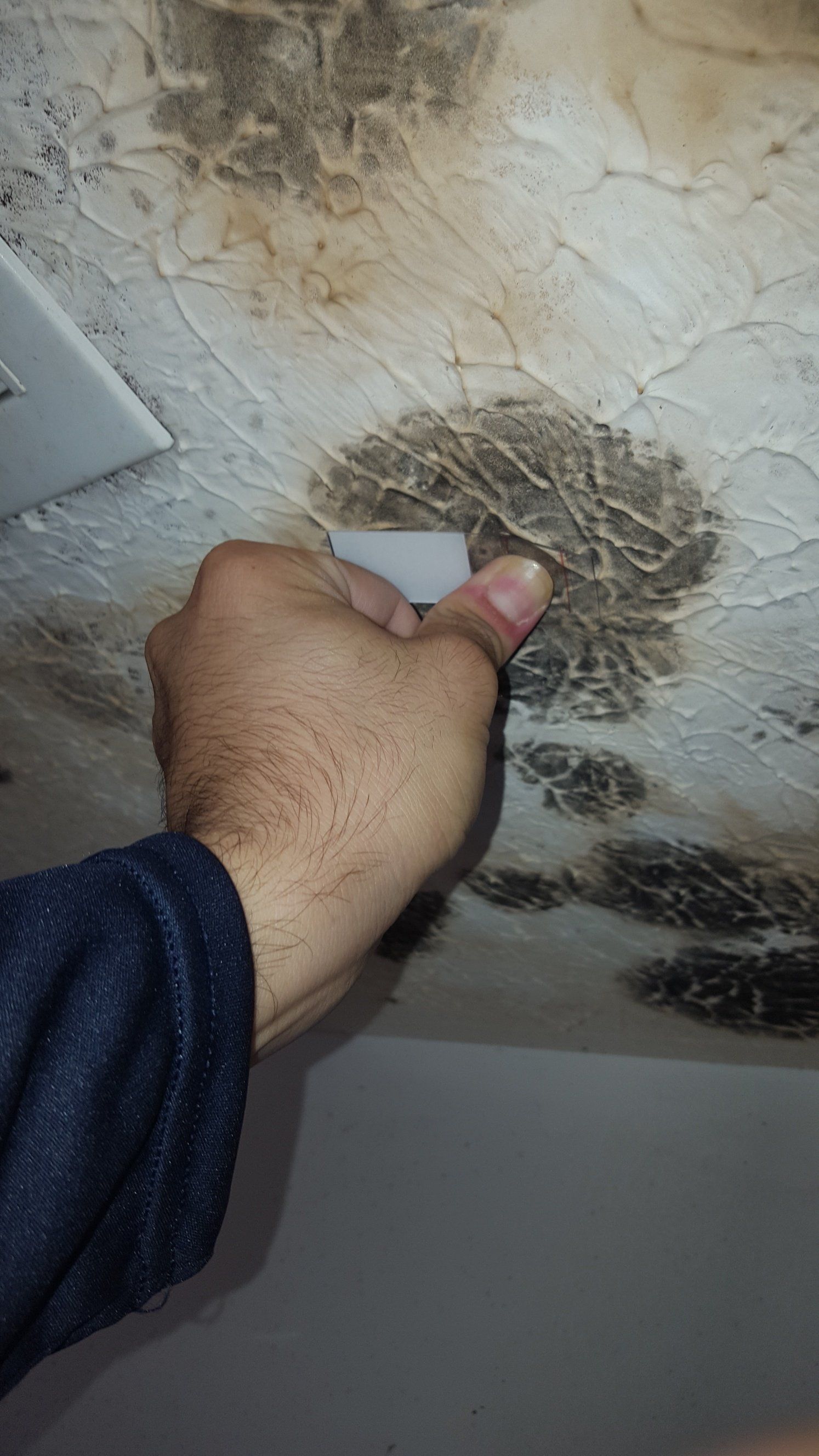
A musty room, a plumbing leak and a request for an insurance report may all lead to a mold inquiry, but they do not call for the same scope. Before arranging work, separate three questions: what can be observed, what a sample could establish, and what documentation is needed for the next decision.
A visual inspection looks at accessible conditions
A visual visit begins with the history you provide and the areas that can be accessed within the agreed scope. Tell the team when you first noticed an odor, staining or growth, whether the moisture source is still active, and which repairs have already been attempted. Safe photographs and previous reports can help the discussion.
A visual visit does not establish the condition of every concealed surface. A stain or the color of growth cannot identify a mold species, and a normal-looking wall does not by itself resolve a persistent odor. Explain whether you are trying to plan cleanup, investigate an unresolved concern or obtain formal project documentation.
Laboratory testing answers a defined sampling question
Sampling can be appropriate when a qualified professional determines that results would inform the project. It is not automatically necessary whenever mold is visible. EPA notes that federal mold-spore limits have not been established; a sample should not be sold as a universal federal pass/fail certificate.
Before authorizing testing, ask which areas or materials are included, the purpose and number of samples, laboratory arrangements, reporting scope and how the results will be interpreted. An air sample, surface sample and investigation of a wall cavity do not provide interchangeable information. Discuss access before any material is disturbed.
A written assessment and a cleanup proposal serve different roles
An assessment can document the evaluated conditions and inform the remediation scope. A remediation proposal describes the work to be performed, including work boundaries, protection of other spaces, affected materials, cleaning, disposal and completion requirements. Keep the moisture-correction responsibility clear as well.
Florida places restrictions on assessment and remediation by the same person or company on the same structure within a 12-month period, subject to applicable law and exemptions. Share prior work and assessment records so appropriate independent roles can be arranged. Raven lists mold credential references MRSA3240 and MRSR3415 on its credentials page; confirm the credential holder and scope applicable to your project.
What to send with a service inquiry
- Your city and property type: home, condominium, rental, business or facility.
- The affected rooms, known moisture history and current access conditions.
- Any earlier assessment, sampling, removal or repair records.
- The question you need answered and any required documentation.
- The person authorized to approve the inspection or work.
For a managed condominium or rental, include building work restrictions and the contact who coordinates access. For a repair project, identify what will be opened or replaced. Testing and cleanup should relate to the actual property, rather than a generic package.
Costs, timing and the next step
Raven offers a free visual mold inspection by arrangement. Sampling, laboratory analysis and written reports are separate quoted services. Ask for the proposed scope and fees before authorizing them. Scheduling, access, laboratory arrangements and reporting requirements affect timing; no universal turnaround applies.
Learn about mold assessment and testing or mold removal and remediation. If an independent assessment already exists, share it when requesting the next stage rather than assuming all testing must be repeated.
Discuss your Florida Panhandle property
Raven Environmental Restoration Services, LLC accepts inquiries 24 hours daily at 850-512-1109. We coordinate service from Apalachicola to Pensacola, including Panama City, Panama City Beach, Destin, Fort Walton Beach, Navarre and Gulf Breeze. See the service-area hub. Coverage does not imply a separate office in each city, and appointments depend on scope, safe access and availability.
A free inspection means a visual inspection of accessible conditions in the agreed scope. Laboratory sampling, testing and written reports are quoted separately. Send your city, affected rooms and project questions.
Sources and further reading
- EPA: mold sampling and testing
- EPA: mold, moisture and your home
- Florida DBPR: mold-related services FAQs
Mold inspection and testing questions
What is the difference between a mold inspection and mold testing?
An inspection evaluates visible conditions, moisture history and the areas of concern. Testing involves collecting appropriate samples for analysis to answer a defined question. Sampling needs and any written assessment report should be agreed separately from a visual inspection.
Does every mold concern require laboratory testing?
Not every inquiry calls for the same sampling plan. Explain visible growth, odors, leaks and the decision you need to make so the assessor can discuss whether testing would provide useful information for that property.
What is included in Raven’s free visual mold inspection?
The free offer covers a visual mold inspection. Laboratory sampling, testing and written mold-assessment reports are quoted separately. Call 850-512-1109 with your Florida Panhandle location and property concern to confirm availability and scope.