How to Prepare a Home for Mold Remediation: 2026 Checklist
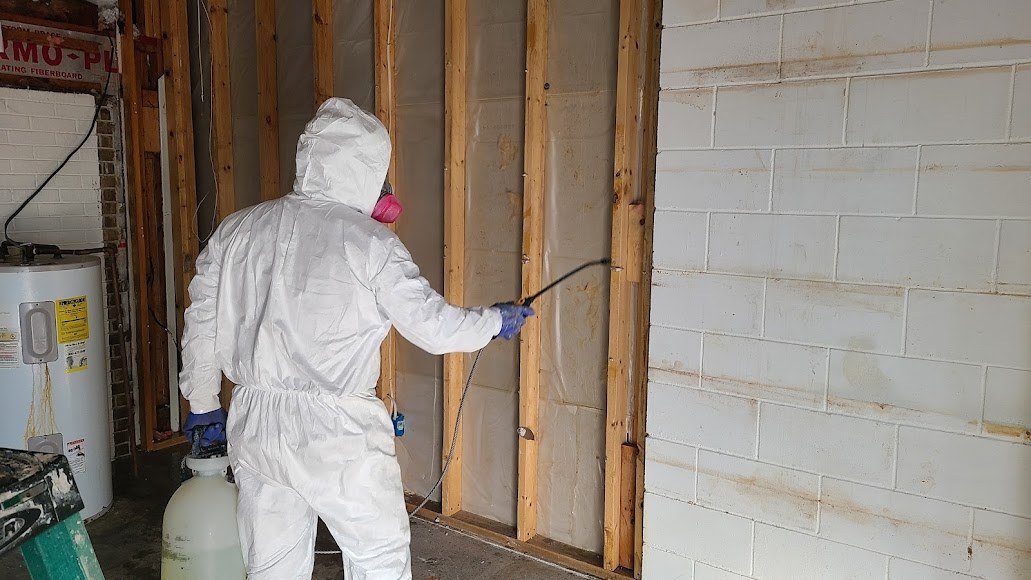
Table of Contents
- Step 1: Use a Mold Remediation Preparation Checklist Before Crews Arrive
- Step 2: Preparing a Condo for Mold Remediation and Scheduling Association Access
- Step 3: Mold Remediation Contractor Questions and Completion Documentation
- Frequently Asked Questions
- Local planning and sources
Last Updated: October 15, 2026
Step 1: Use a Mold Remediation Preparation Checklist Before Crews Arrive
One rule governs preparation for mold remediation: the work zone belongs to the crew. Mold remediation means containing growth, removing affected materials, and correcting the moisture source alongside correction of the moisture source; Raven Environmental Restoration Services handles that work across the Florida Panhandle.
Your pre-work checklist:
- Confirm the written scope and start date
- Clear vehicles from the driveway and equipment path
- Keep people and pets outside restricted areas; ask the contractor how belongings will be handled
- Discuss utility and equipment access with the contractor before work
- Ask the contractor before disturbing wall decor, curtains or belongings in affected areas
- Identify one entry door the crew will use
- Set aside existing inspection reports and moisture records
- Confirm who holds decision authority for approvals
What to expect on arrival. Crews set up containment barriers and negative air pressure to keep spores inside the work zone; occupants stay outside those barriers. Turn off your HVAC and seal supply vents near the work area if the contractor asks.
How long does prep take? Preparation time depends on access, contents, association rules and the agreed scope. Confirm the schedule with your contractor.
Step 2: Preparing a Condo for Mold Remediation and Scheduling Association Access
Preparing a condo for mold remediation adds a layer single-family homes do not have: the association. In Panama City Beach and Destin, many affected walls are shared, and shared walls mean shared decisions.
Ask your association's management company, in writing: who authorizes access to common elements, what hours can crews work, and does the association require a certificate of insurance before entry? Coastal high-rises often restrict elevator use for equipment, so book your window in advance, and notify adjacent units in writing where association rules require it.
Share what you already have. Hand over any prior inspection or assessment; reports from a licensed assessor tell the remediation contractor where moisture was found and what was tested. If you need that assessment first, our mold testing, mold assessment and free visual inspection service documents what is visible before any removal scope is written.
For unit owners in Gulf Breeze, Navarre, and Pensacola, the same logic applies: coastal humidity and storm-driven water intrusion make condos prone to hidden moisture in wall cavities, so access planning decides whether a job starts on time.
Step 3: Mold Remediation Contractor Questions and Completion Documentation
The right questions before work starts prevent disputes after it ends. Ask in writing and keep the answers.
Mold remediation contractor questions to ask:
- What is the exact scope, room by room?
- What containment method will you use?
- Will you correct the moisture source, or only remove mold?
- Who handles sampling and lab reports, and are they quoted separately?
- What does completion look like, and who signs off?
- How will you document the work for my insurer?
A free visual inspection is just that: eyes on the property. Laboratory sampling, testing, and written assessment reports are quoted separately.
Completion documentation matters as much as the removal. Ask for a written completion report describing materials removed and areas treated, moisture readings showing affected areas returned to normal, photo documentation of containment and final condition, and any post-remediation verification results if sampling was in scope. Keep this packet, it supports insurance claims, satisfies association records requests, and matters if you sell later.
On insurance. We do not promise coverage. Direct insurer billing and no-upfront-payment arrangements depend on carrier approval, your policy, and agreed written payment responsibilities, including deductibles and uncovered amounts.
On credentials and licensing. Ask any contractor for current state licensing and insurance certificates, and verify them yourself through the state rather than relying on a logo. Recurring concerns should prompt review of both moisture conditions and the completed work, so completion records show whether the source was addressed or only visible growth was removed.
Where to start. If you are in Panama City Beach or anywhere from Apalachicola to Pensacola, we offer a free visual mold inspection to document what is visible. From there, you decide on sampling, scope, and scheduling. Call us at 850-512-1109, or reach the team through our contact page to set up a walkthrough.
Mold remediation goes smoother when preparation happens first. Clear access, written approvals, and a documented scope keep the job moving. Raven Environmental Restoration Services handles mold remediation and mold removal and mold assessment across the Florida Panhandle, with free visual inspections and completion documentation you can hand to your insurer or association.
FAQs are edited in the FAQ panel below.
Edit FAQsRemove FAQ section
Frequently Asked Questions
What should I do before professional mold remediation begins?
Confirm a written scope with your mold remediation contractor that lists affected rooms, containment approach, occupant restrictions and who holds decision authority. Share any existing assessment reports and moisture records, schedule building or association access, and keep people and pets out of restricted work zones. Raven Environmental Restoration Services offers a free visual mold inspection; laboratory sampling, testing and written assessment reports are quoted separately. Call 850-512-1109 to schedule.
Should I move furniture or belongings before mold remediation?
Ask the contractor first. Moving items yourself can spread spores if contents are disturbed or carried through clean spaces. The written scope should state which contents the crew will handle, how they will be wrapped or isolated, and which items you should remove before work starts. Do not open walls or move contaminated materials through unaffected rooms. For planning help in Panama City Beach or Pensacola, contact Raven at admin@ravenenviro.com.
What documentation should I receive after mold remediation?
Ask for documentation of the agreed work, affected materials, moisture-source responsibilities and any independent verification required by the project. Florida restricts assessment and remediation by the same person or company on the same structure within a 12-month period, subject to applicable requirements and exemptions. Discuss the appropriate independent roles before work. Keep the records with your assessment and insurance correspondence.
Local planning and sources
Coordinate access and project needs through Raven’s existing service areas in Pensacola, Gulf Breeze, Navarre and Destin. These are service communities, not separate Raven offices.
Florida limits assessment and remediation on the same structure by the same person or company within a 12-month period, subject to applicable requirements and exemptions. Share prior providers and reports to arrange appropriate independent roles. See Florida DBPR FAQs and EPA mold and moisture guidance.
Call Raven at 850-512-1109. Free visual inspections by arrangement; laboratory sampling and written reports are quoted separately.