Commercial Property Disaster Restoration Costs Explained
Last Updated: November 5, 2026
Quick Summary
Commercial disaster restoration costs depend on the scope of the loss, the materials affected, the building systems involved, and how long the property takes to return to use. Per-square-foot figures offer only a rough starting point, so a reliable estimate requires a property-specific assessment and a clearly written proposal.
- Confirm which restoration phases each quote includes before comparing any two numbers.
- One source estimates basic cleanup at about $4 per square foot and fuller cleanup and restoration at $7 or more.
- Hidden secondary damage is a common reason commercial restoration costs rise mid-project.
- Ask for mitigation scope, billing basis and drying completion criteria in writing before work begins.
- Track business interruption, inventory, relocation and staff time from the first day of the loss.
Table of Contents
- What Commercial Disaster Restoration Actually Covers
- Why Per-Square-Foot Estimates Fall Short
- Commercial Property Damage Assessment: How Scope Is Set
- Factors That Drive Restoration Costs
- Emergency Mitigation and Response Costs
- Water Extraction, Drying and Cleanup Line Items
- Structural Repairs, Reconstruction and Materials
- Disaster Restoration Estimate: Reading a Proposal
- Business Interruption and the Total Cost of Loss
- Commercial Restoration Timeline: From Response to Reopening
- Insurance Coverage and Claim Documentation
- Disaster Recovery Documentation Checklist
- Cost-Control Decisions and Their Trade-Offs
- Planning Your Next Step With a Qualified Restoration Team
- Frequently Asked Questions
What Commercial Disaster Restoration Actually Covers
Commercial disaster restoration is the work of returning a business property to safe, usable condition after fire, storm, flood, or water intrusion, and understanding the phases involved is the first step in estimating disaster restoration costs. Learn about Rick Aleman's construction and catastrophe-adjusting experience before you choose a provider. Once a building is opened up, the scope often broadens quickly. Restoration can cover emergency response, containment, removal of damaged materials, cleaning and sanitizing, drying, and rebuilding. Each of those phases carries its own cost, and most property owners only see the total once the work is well underway.
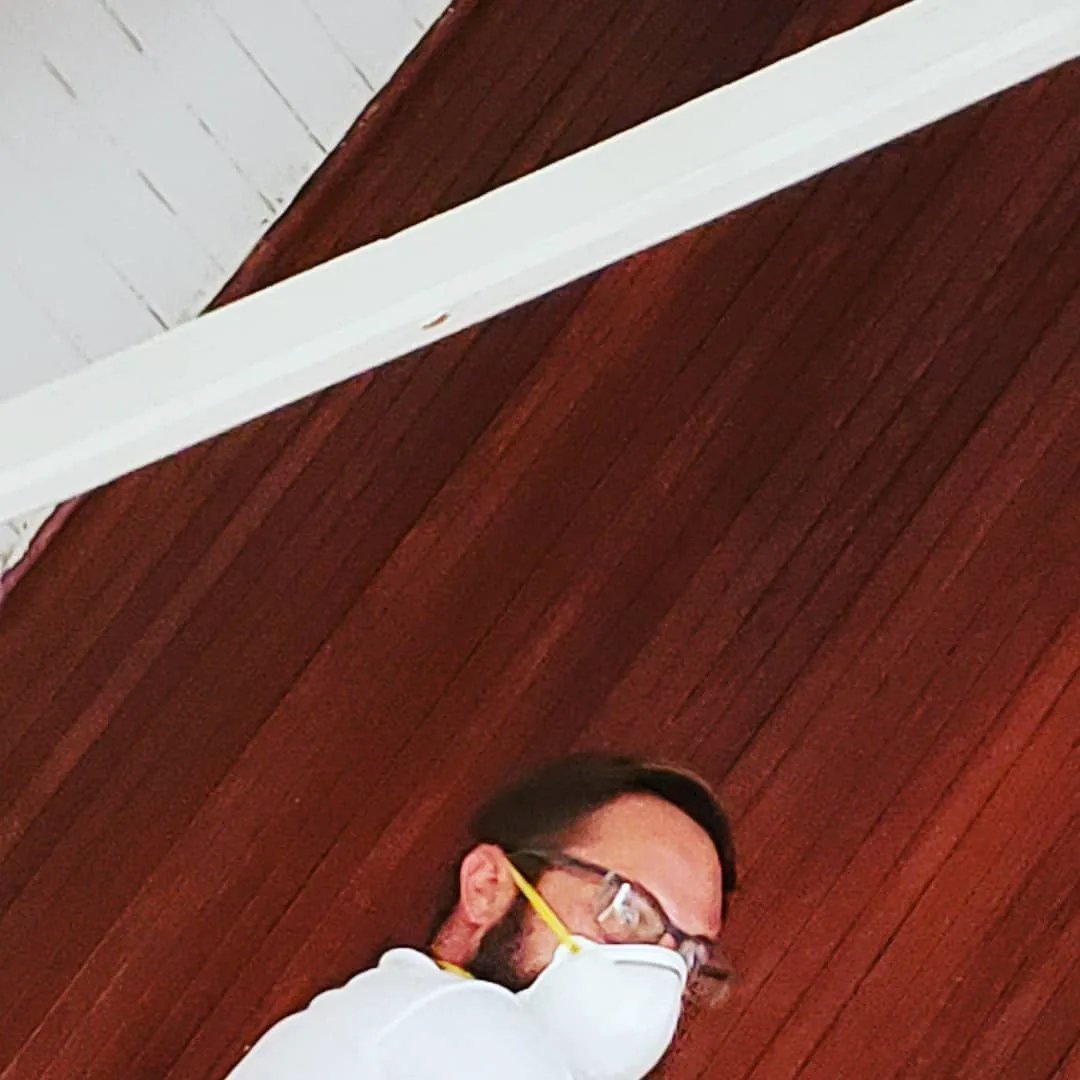
The phases usually run in sequence. Emergency mitigation stops further loss. Cleanup and removal take out compromised materials. Testing, when it is needed, confirms what is present before work proceeds. Reconstruction restores the building itself. Commercial jobs add complexity because a single property may house offices, retail space, mechanical systems, and tenant improvements, all of which must be documented and handled separately.
Understanding this sequence matters when you compare cost figures. A quote that covers only emergency mitigation will look far cheaper than one that includes removal, testing, and rebuilding, even though both may describe the same loss. Before you compare any two numbers, confirm which phases each one includes.
Why Per-Square-Foot Estimates Fall Short
You will see per-square-foot figures in many online sources. One commercial fire-restoration estimate puts basic cleanup at about $4 per square foot and more comprehensive cleanup and restoration at $7 or more per square foot (Stephco Cleaning commercial fire-restoration cost estimate). That range is useful as a starting reference, but it has real limits. The source does not state the sample or method behind the estimate, and it describes cleanup rather than full reconstruction.
Commercial properties vary too much for a single rate to hold. A 4,000-square-foot retail space with a damaged ceiling and HVAC run is not comparable to a 4,000-square-foot medical office with specialized equipment and sensitive finishes. American Restoration notes that reconstruction costs depend heavily on property size, business equipment, and specialized commercial building systems, so broad per-square-foot ranges may not capture a particular property's scope.
Per-square-foot figures are better used as a rough sanity check than as a budget. If a proposal lands far outside a range you have seen, ask what is driving the difference. Often the answer is hidden conditions, equipment replacement, or a scope that is larger than the visible damage suggested.
Commercial Property Damage Assessment: How Scope Is Set
Scope is the foundation of every restoration estimate. Before anyone can price the work, a technician needs to establish where water, smoke, or contamination went, how deep it reached, and which materials are affected. This assessment is what turns a vague "we had a leak" into a defined list of tasks.
A thorough assessment typically includes a walkthrough of all affected areas, moisture readings, a review of building systems that may have carried water or smoke, and photo documentation of conditions at the time of inspection. Good documentation also protects the property owner later when insurance adjusters ask why certain line items were necessary.
Damage Severity and Affected Areas
Severity determines how much work a property needs. Surface water on a finished floor is handled very differently from water that has saturated subfloor, insulation, and wall cavities. Smoke residue that settles on hard surfaces can often be cleaned, while smoke that has penetrated porous materials may require removal and replacement.
Affected areas should be mapped room by room. A common mistake is to scope only the rooms where damage is obvious. Water and smoke travel through shared walls, ductwork, and ceiling plenums, so an adjacent office that looks untouched may still need evaluation. Mapping the full affected footprint early prevents costly change orders later.
Hidden Secondary Damage
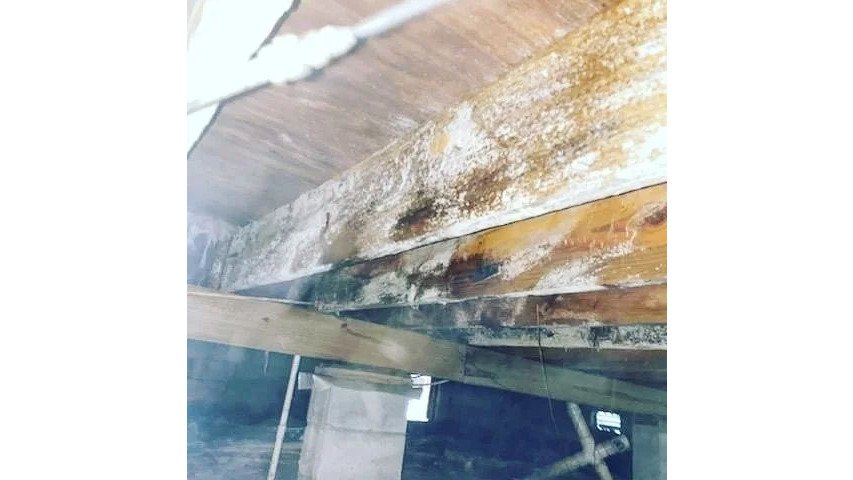
Secondary damage is the harm that develops after the initial event because moisture or contamination was not addressed quickly enough. Wet drywall can wick water upward, wood framing can begin to swell or stain, and damp materials can support microbial growth within a few days. None of this is visible at first, which is why it often surfaces mid-project.
Ask your restoration provider directly how they plan to check for secondary damage. Moisture mapping, probe readings, and opening test areas in suspect walls are common approaches. Factor a reasonable allowance for hidden conditions into your budget, since discovering them is one of the most common reasons commercial restoration costs rise.
Factors That Drive Restoration Costs
Several variables consistently move the final number on commercial jobs. Knowing them helps you ask better questions and recognize when a proposal makes sense.
- Square footage and affected area: Larger footprints require more labor, equipment, and disposal capacity.
- Type of disaster: Fire, smoke, storm, and flood each leave different residues and require different methods.
- Materials affected: Porous materials such as drywall, carpet, and ceiling tile usually cost more to address than hard surfaces.
- Building systems: Damage to HVAC, electrical, or plumbing systems adds specialized trade work.
- Contents and equipment: Business inventory, servers, machinery, and furnishings may need cleaning, restoration, or replacement.
- Access and timing: After-hours work, restricted access, and tenant constraints affect labor scheduling.
- Permitting and code requirements: Reconstruction may require permits and inspections that add time and cost.
Each factor interacts with the others. A flooded commercial kitchen with stainless equipment, grease-laden surfaces, and required health-department sign-off will cost more than a similarly sized office with the same water exposure.
Emergency Mitigation and Response Costs
Mitigation is the first priority after a disaster. Its purpose is to prevent further damage, not to restore the property. Typical mitigation tasks include stopping the source of water, removing standing water, setting up drying equipment, applying temporary protection, and boarding or tarping openings. Because mitigation happens before a full scope is known, it is usually authorized and billed separately from the reconstruction estimate, often on a time-and-materials or unit-rate basis rather than a fixed price.
That billing structure is why mitigation invoices can look different from what a property owner expected. Emergency response carries real cost drivers that a planned project does not: after-hours dispatch, crew mobilization, equipment staged on site before the full scope is confirmed, and temporary power or security. Most practitioners find that the first 24 to 72 hours set the cost trajectory for the entire loss, because materials left wet longer are more likely to fail and require replacement rather than drying. A mitigation invoice that seems high relative to the visible damage often reflects equipment days, monitoring visits, and disposal of saturated materials rather than labor alone.
Ask for the mitigation scope in writing before work begins, including the billing basis (unit rates, equipment days, labor hours), what triggers additional authorization, and how daily monitoring will be documented. Confirm whether temporary protection such as roof tarping or board-up is included or billed separately, and clarify in writing who is responsible for payment, including any deductible or uncovered amount, subject to carrier approval and coverage. Raven Environmental Restoration Services does not bill insurers directly and does not guarantee coverage; payment responsibilities are agreed in writing before work proceeds.
Watch out: authorizing demolition or disposal before the carrier or adjuster has documented conditions can complicate a claim, so photograph and record affected areas before materials are removed whenever it is safe to do so.
Raven Environmental Restoration Services is open 24 hours daily for inquiries, though site visits and crew response depend on safe access and availability. Call 850-512-1109 to discuss your situation.
Water Extraction, Drying and Cleanup Line Items
Where water is involved, the estimate will usually include extraction, drying, and cleanup as distinct line items, and each is billed on a different basis. Extraction is typically priced by volume removed or by area treated, because standing water in a large open floor plate takes far more equipment time than a confined spill. Drying is commonly billed by equipment day, with air movers and dehumidifiers charged per unit per day plus monitoring visits, so the duration of drying directly affects cost. Cleanup covers debris removal, surface cleaning, and sanitizing, and is usually priced by area or by specific task.
This is the section where a commercial proposal most often hides its real cost. A line that reads "general cleanup" gives you little to compare, and a drying line that does not state equipment counts or a target completion criterion is difficult to audit. Ask how drying progress will be measured, what moisture targets define completion, how often readings will be documented, and whether equipment days are capped or open-ended. Clear drying criteria protect both the property owner and the contractor, and documented readings are the record an adjuster will rely on.
A useful way to read these line items is to separate what removes water, what removes moisture from materials, and what removes residue. Extraction line items should specify the affected area and method. Drying line items should specify equipment type, count, placement, and monitoring frequency. Cleanup line items should specify what is being cleaned, by what method, and whether porous materials are being removed or treated in place. Specific entries, such as removal of wet insulation or cleaning of ductwork, make proposals easier to evaluate and easier to compare against a second estimate.
Watch out: a proposal that prices drying as a flat allowance without stating equipment days or completion criteria can produce change orders once drying runs longer than assumed, so ask for the assumption in writing.
For commercial properties with recurring moisture or suspected microbial growth after a water loss, drying verification and documentation often lead into assessment and testing. Raven Environmental Restoration Services provides mold assessment, mold testing, and mold remediation for Florida Panhandle businesses and facilities. Review the mold assessment and mold testing service pages, or call 850-512-1109 to discuss a property-specific scope.
Structural Repairs, Reconstruction and Materials
Once the property is dry and clean, reconstruction restores its function. This phase often represents the largest share of the total cost. It can include drywall replacement, flooring, ceiling systems, doors, fixtures, painting, and in serious cases, framing or roofing repairs.
Material selection affects cost significantly. Matching existing finishes can be difficult, especially for older buildings, and may require replacing larger sections than the damaged area alone to achieve a uniform appearance. Lead times for certain materials can also extend the schedule. For drywall work specifically, planning the scope around moisture and material conditions helps avoid replacing sections that could have been saved, or the reverse.
Specialty components, such as commercial doors, fire-rated assemblies, or custom millwork, often carry long lead times and higher prices. Confirm which materials are included in the estimate and whether substitutions are acceptable if the original product is unavailable.
Disaster Restoration Estimate: Reading a Proposal
A restoration proposal is only useful if you can read it. Start by checking the scope narrative, which should explain what the provider found, what they plan to do, and in what order. Then review the line items, looking for clear descriptions, quantities, and units of measure.
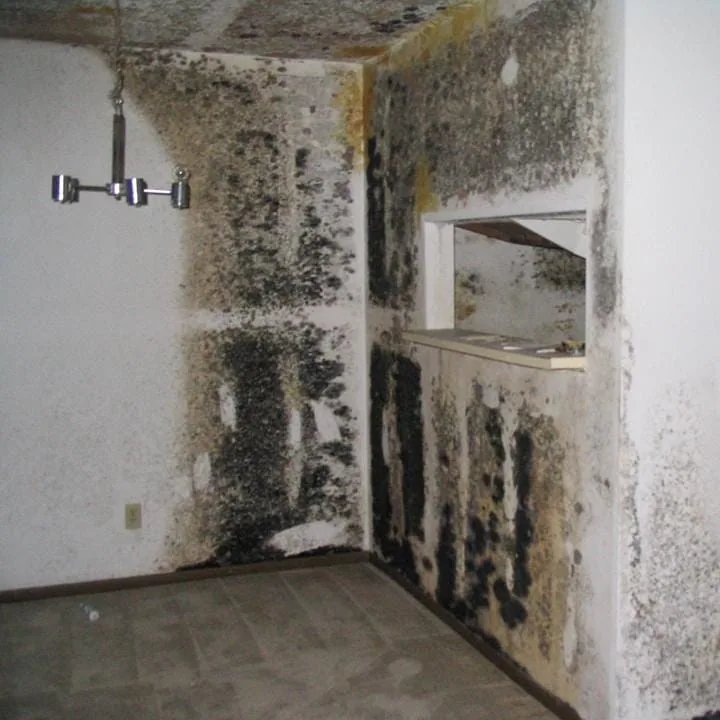
Pay attention to what is missing as well as what is listed. Common gaps include contents handling, equipment rental duration, permits, hazardous material testing, and project management fees. If these are absent, ask whether they are included or will be billed as change orders.
Compare proposals on scope, not just the bottom line. Two estimates for the same loss can differ in assumptions, such as how much drywall will be replaced or how many days of drying are included. A lower number may simply reflect a narrower scope. If you need a second opinion, request a property-specific written proposal from a commercial restoration provider. Raven Environmental Restoration Services provides environmental testing and mold services for Florida Panhandle businesses and facilities. Written sampling and assessment reports are quoted separately.
Business Interruption and the Total Cost of Loss
The restoration invoice is only part of what a disaster costs a business. Business interruption covers lost revenue and continuing expenses while the property is unusable. These losses can exceed the physical damage, especially for businesses with high fixed costs or seasonal revenue.
Total cost of loss also includes damaged inventory, relocation expenses, overtime to catch up on delayed work, and staff time spent managing the recovery. Many owners underestimate these items because they are harder to quantify than repair invoices. Start tracking them from the first day of the loss, and keep receipts for every expense tied to the disaster.
Ask your insurance agent whether your policy includes business income coverage and how it defines the waiting period before benefits begin. Understanding these terms before a loss helps you plan cash flow during recovery.
The restoration invoice is only part of what a disaster costs a business, and the article's main categories of loss can be summarised as follows.
| Cost category | What it includes | Tracking tip |
|---|---|---|
| Physical damage | Restoration invoice for repairs | Keep the provider's written scope |
| Business income | Lost revenue during unusable period | Check the policy's waiting period |
| Damaged inventory | Stock lost to water or smoke | Record items and estimated values |
| Relocation | Temporary space and moving costs | Keep receipts |
| Overtime | Extra labor to catch up on delays | Log hours from day one |
| Staff time | Hours spent managing recovery | Track time from the first day |
Commercial Restoration Timeline: From Response to Reopening
Commercial restoration typically moves through response, mitigation, assessment, scope approval, demolition and cleanup, drying verification, reconstruction, and final inspection. Each phase depends on the one before it, so delays in approvals or access can ripple through the entire schedule.
Expect the timeline to vary widely. A water loss confined to one office may be resolved in a matter of weeks, while a fire affecting multiple floors can extend for many months. Permitting, material lead times, and insurance approvals are frequent sources of delay. Ask for a written schedule with milestones, and agree on how changes will be communicated.
Plan for reopening in phases where possible. Some businesses can resume operations in unaffected areas while work continues elsewhere, which reduces the revenue impact of the loss. Discuss this option early so the sequence of work can be planned around your needs.
Insurance Coverage and Claim Documentation
Insurance coverage determines how much of a commercial restoration cost is recovered, and documentation determines how smoothly the claim moves. Your policy may cover direct physical damage, business income, extra expenses, and contents, each under different terms and limits.
Documentation should begin immediately. Photograph and video the damage before anything is moved or discarded, record the time and cause of the loss, and keep all communication with your insurer in writing. Save the restoration provider's assessment, moisture logs, and daily progress notes, since adjusters will ask for them.
Coverage questions are best answered by your insurer and policy language, not by a restoration company. Raven Environmental Restoration Services does not guarantee insurance coverage. Confirm with your carrier what is covered before authorizing work, and clarify who is responsible for payment, including any deductible or uncovered amount.
Disaster Recovery Documentation Checklist
Organized records speed up claims, protect your position with insurers, and help you verify contractor billing. Use this checklist from the first day of the loss:
- Photos and video of all affected areas, taken before cleanup begins
- Written description of the cause and timing of the loss
- Copy of the insurance policy and claim number
- Restoration provider's written scope, estimate, and any change orders
- Moisture readings, drying logs, and progress reports
- Testing results, if environmental sampling was performed
- Receipts for emergency expenses, equipment, and temporary relocation
- Records of lost income and continuing expenses
- Inventory list of damaged contents, with estimated values
- Permits, inspection reports, and final completion documentation
Store these records in both paper and digital form. Cloud storage protects them if the building is affected again.
Cost-Control Decisions and Their Trade-Offs
Every restoration decision involves trade-offs. Repairing a material may save money now but risk failure later. Replacing it may cost more but provide certainty. Good decisions weigh the short-term price against long-term reliability and the risk of recurrence.
Some common decisions include whether to dry-and-save or replace porous materials, whether to clean or replace contents, and whether to rebuild to the original specification or upgrade. Upgrading can make sense when code changes require it or when the original design was prone to the same failure. Ask your provider to explain the reasoning behind each recommendation and what the alternative would cost.
Avoid cutting corners on testing, drying verification, or documentation. These are the steps that prevent hidden problems from surfacing after reopening, when the cost of correction is far higher.
Planning Your Next Step With a Qualified Restoration Team
Commercial disaster restoration costs depend on the scope of the loss, the materials involved, the building systems affected, and the time it takes to return the property to use. Per-square-foot figures can offer a starting point, but a reliable estimate comes from a property-specific assessment and a clearly written proposal.
If your commercial property has been affected by water, fire, smoke, or contamination, start by documenting the loss and requesting a written scope. Raven Environmental Restoration Services provides environmental testing and mold services for Florida Panhandle property owners. Call 850-512-1109 to discuss your property and request a property-specific proposal, or email admin@ravenenviro.com. The company is open 24 hours daily for inquiries, with site visits and crew response depending on safe access and availability.
Frequently Asked Questions
What affects the cost of restoring a commercial property after a disaster?
The main drivers are the type of disaster, how far damage spread, the building's size and construction, required specialized equipment, and whether hazardous materials such as asbestos or lead must be tested before work begins. Costs also rise when work is delayed, because secondary damage such as mold growth expands the scope. Restoration proposals usually break these factors into line items so property managers can see which elements are driving the total.
Who cleans up after a commercial building fire?
Fire and smoke cleanup is typically handled by a restoration contractor who specializes in commercial work. Environmental testing is performed when asbestos or lead may be present. Cleanup includes removing soot and debris, cleaning or replacing contaminated surfaces, and deodorizing the structure. Property owners should confirm the contractor's licensing and insurance and ask for a written scope before work starts.
Does insurance cover commercial disaster restoration?
Commercial property policies often cover sudden disaster damage such as fire, storm or water release, but coverage depends on the specific policy language, exclusions and deductibles. Gradual damage, lack of maintenance and flood damage are frequently excluded or require separate coverage. Raven does not guarantee insurance coverage; any direct insurer billing is subject to carrier approval and agreed written payment responsibilities.
How long can commercial property disaster restoration take?
Timelines vary widely with the size of the loss, the scope of demolition and reconstruction, permitting, and the availability of materials and trades. A limited cleanup may take days, while a full rebuild of a damaged commercial space can take many months. Early documentation, prompt mitigation and a clear written schedule help keep the timeline predictable.
